

Chittar Hill · Jodhpur
Bridal makeup at Umaid Bhawan Palace
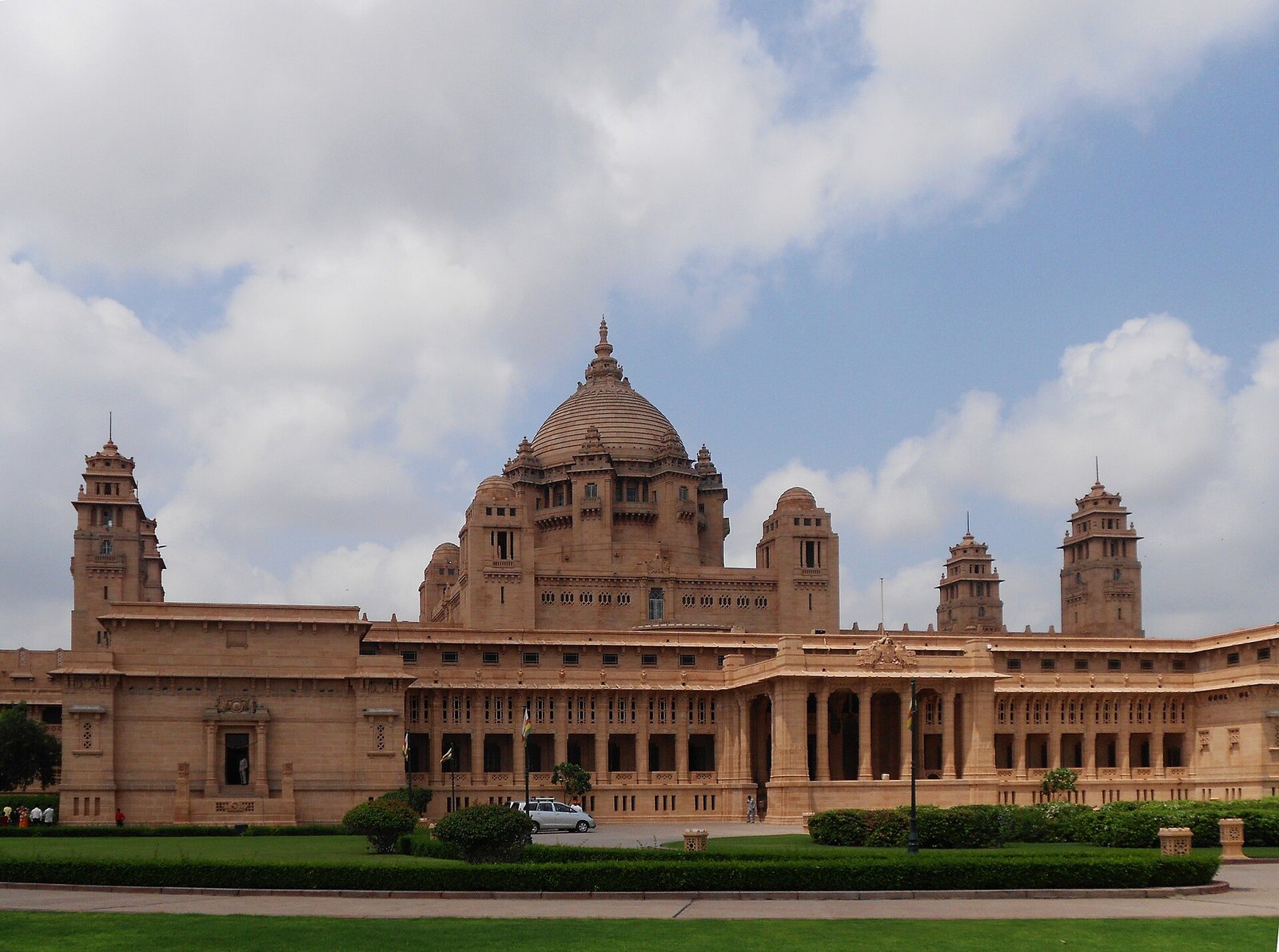
Part royal home, part museum, part Taj hotel: Umaid Bhawan is one of the last great palaces built in India, finished in 1943 in golden sandstone and Art Deco. A wedding here is photographed against domes, colonnades and the Mehrangarh skyline.
History
The last of the great palaces.
Maharaja Umaid Singh began the palace in 1929, partly to provide work during a long drought in Marwar, and it took around fifteen years to finish. It was designed in an Art Deco style unusual for Rajasthan and built from the golden sandstone of Chittar Hill, on which it stands.
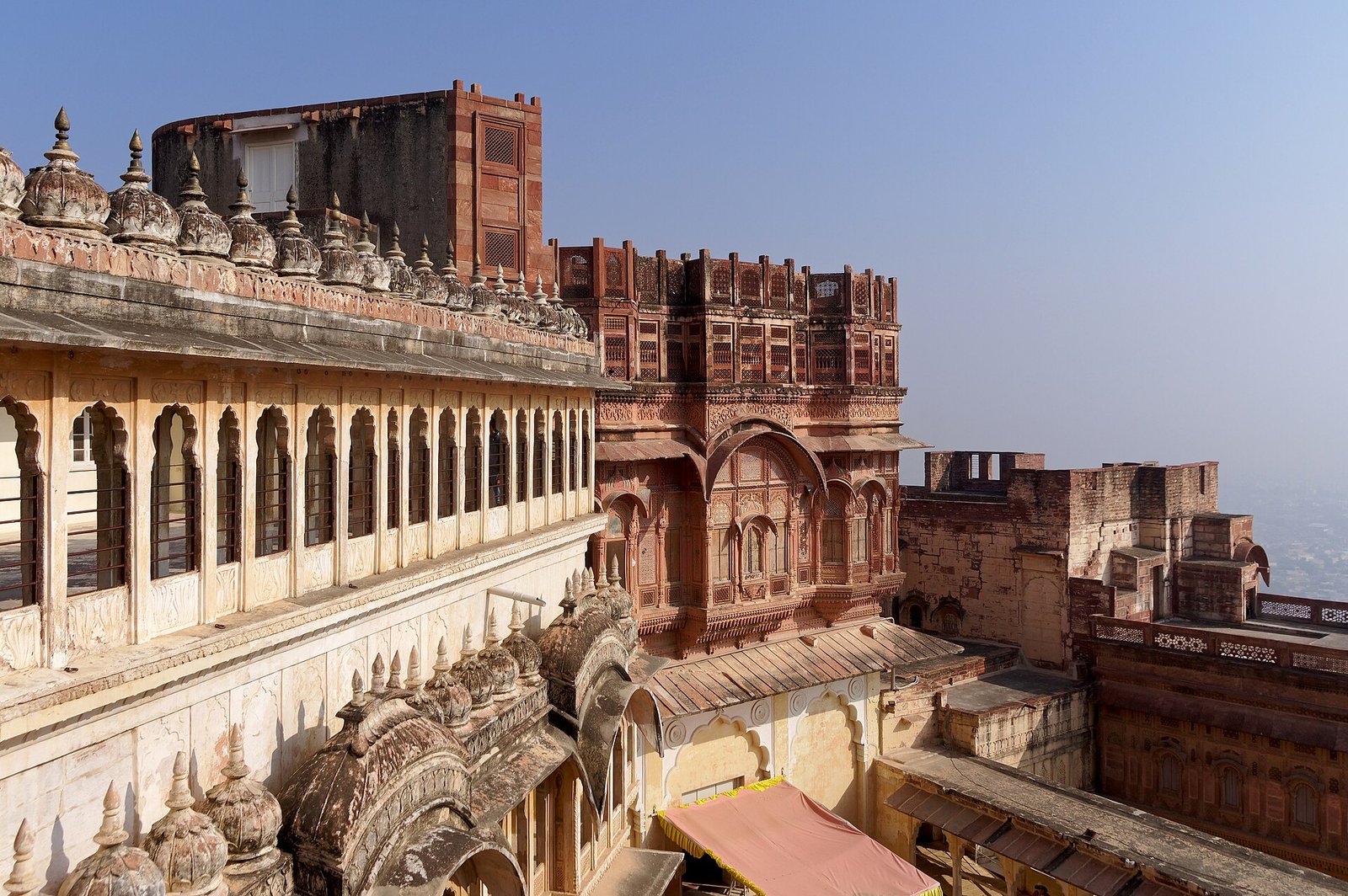
Today it is divided three ways: a wing where the royal family lives, a museum open to visitors, and a hotel run by Taj. The hotel side includes the Baradari Lawns, where most large functions take place, with views across the city to Mehrangarh Fort.
For a bride, the palace is about golden stone and very large spaces. Stone throws warm light back onto the face, and the scale of the rooms means photographers often shoot wide, so the look needs to hold its shape from a distance.
Function by function
Four looks for a Jodhpur palace.
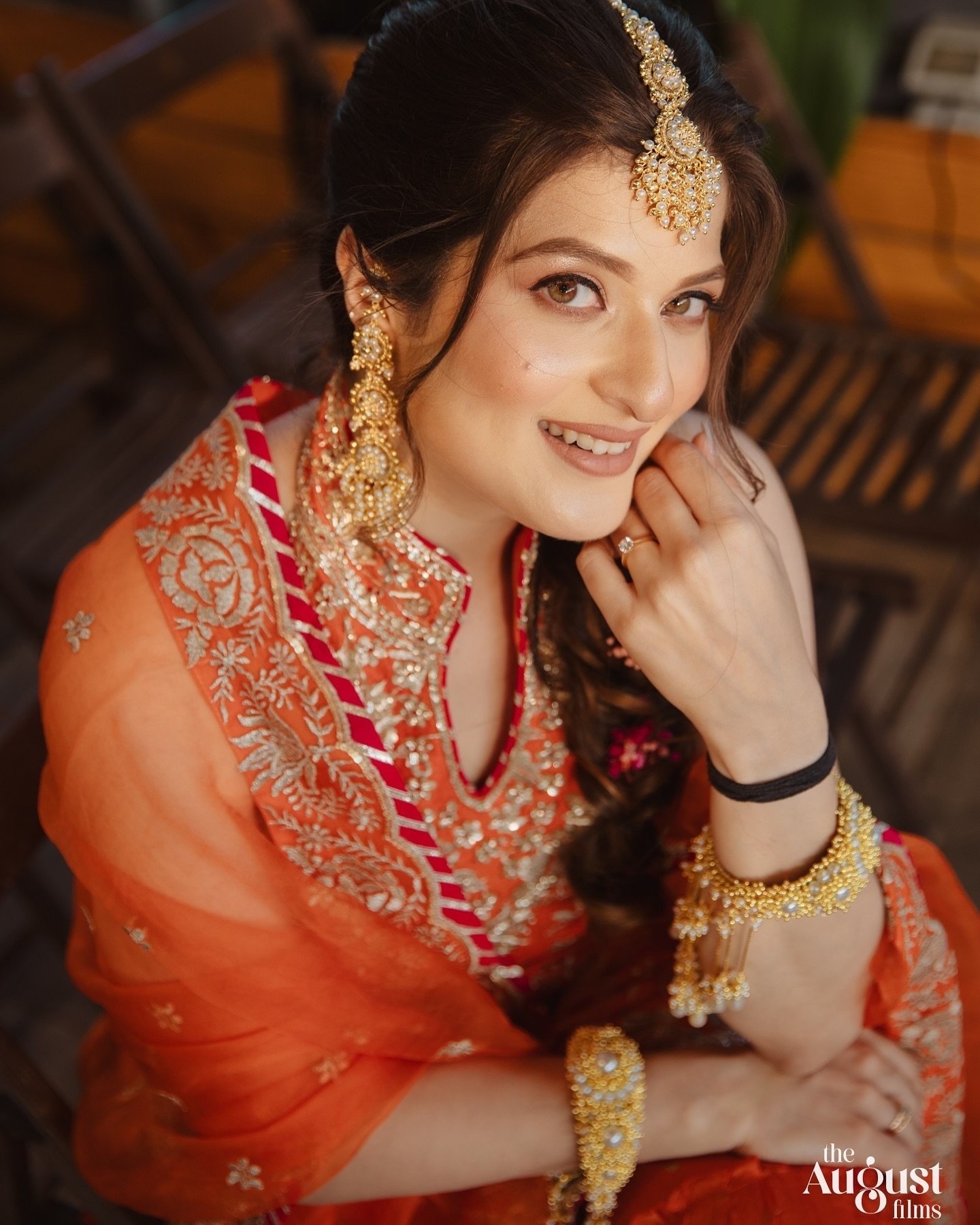
Mehendi in a courtyard
Golden stone and afternoon sun. A light, fresh face and a braided hairstyle.
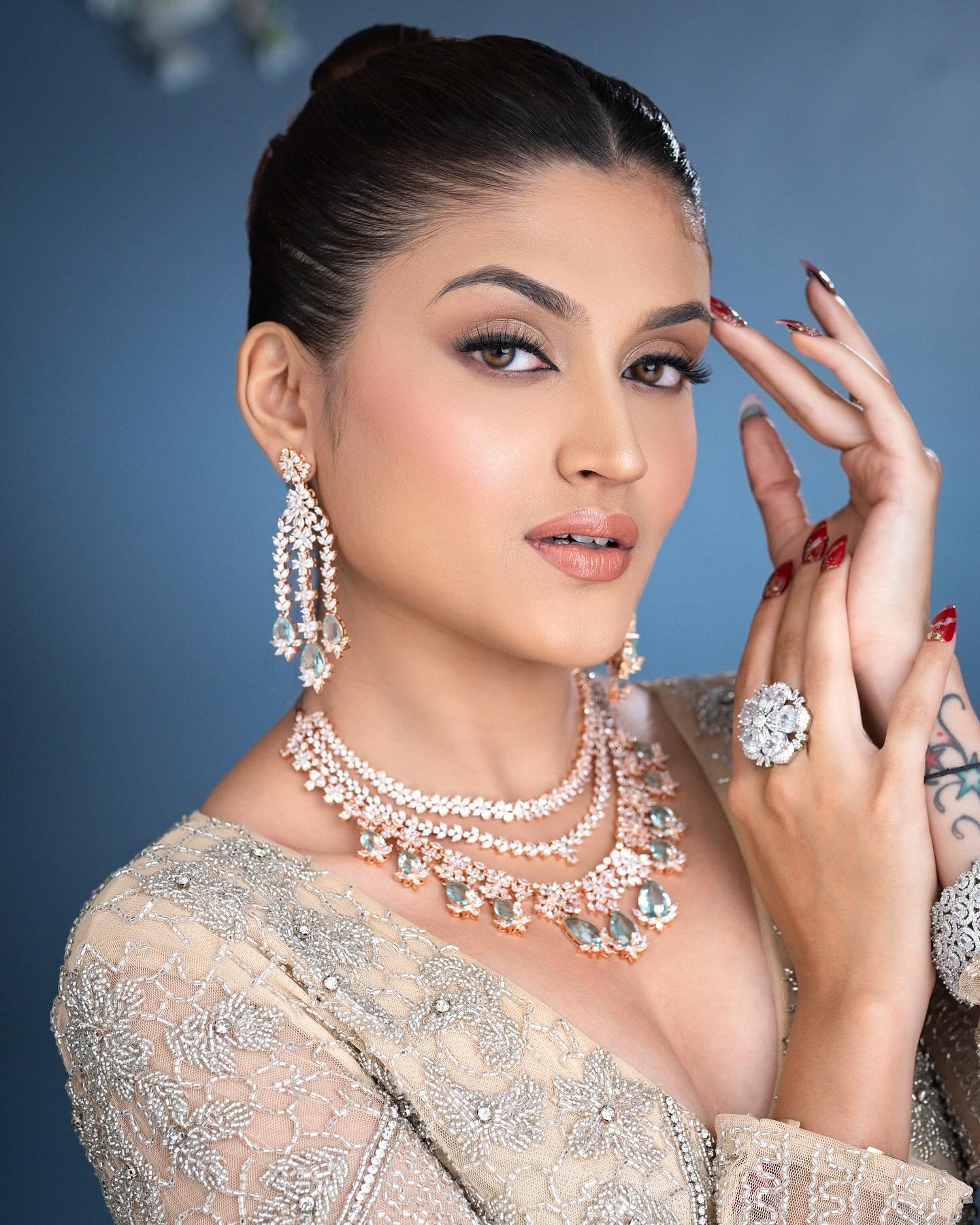
Sangeet in the Marwar Hall
Pillars and a large chandelier. Sculpted eyes and a set base.

Pheras on the Baradari Lawn
Mehrangarh on the horizon. Traditional Rajputi styling with the drape planned around the jewellery.

Reception in the palace
Art Deco interiors. A sleek, modern finish.
Wedding day
An Umaid Bhawan wedding day.
- 09:00
Set-up
Getting ready in a palace room with tall windows.
- 11:00
Bride begins
About three hours including poshak or lehenga drape.
- 14:30
Portraits in the colonnades
Shade from the arches, light from the courtyards.
- 16:30
Baraat
Final checks before the procession.
- 17:30
Pheras on the Baradari Lawn
Timed for sunset over the city.
- 20:30
Dinner
Refresh for night photographs.
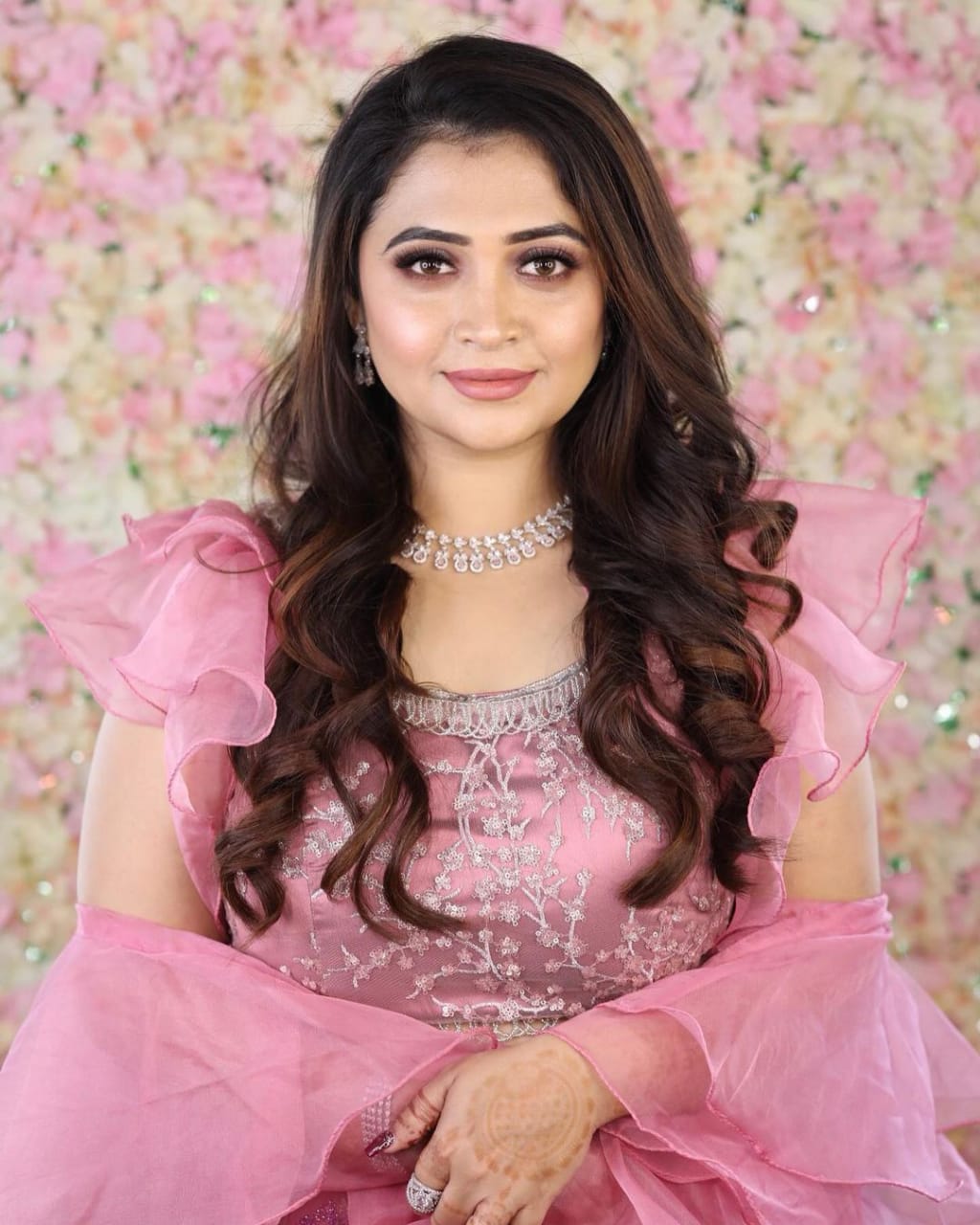
Tejaswini
Your artist at Umaid Bhawan
Tejaswini has styled more than a thousand brides since 2012, including Marwari and Rajasthani brides with traditional jewellery. At Umaid Bhawan she balances warm stone, wide photographs and heavy pieces, and agrees each look with you before she travels.
Her work
Brides styled by Tejaswini.
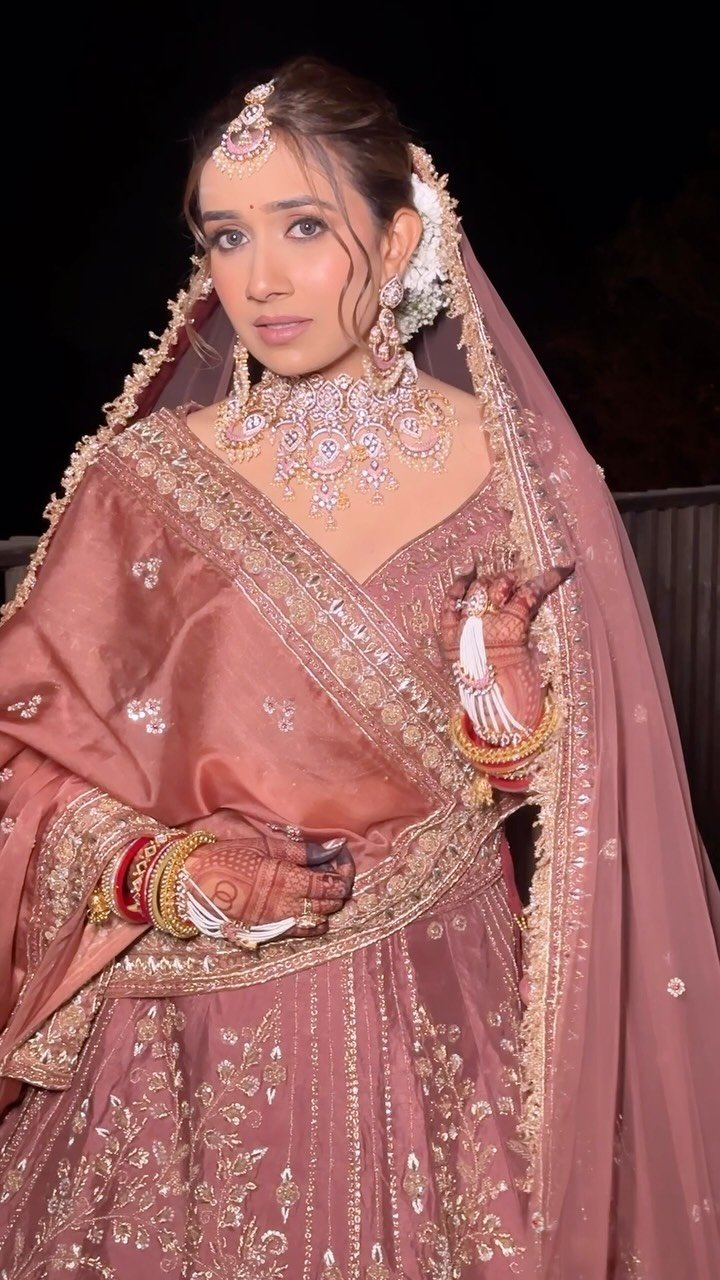
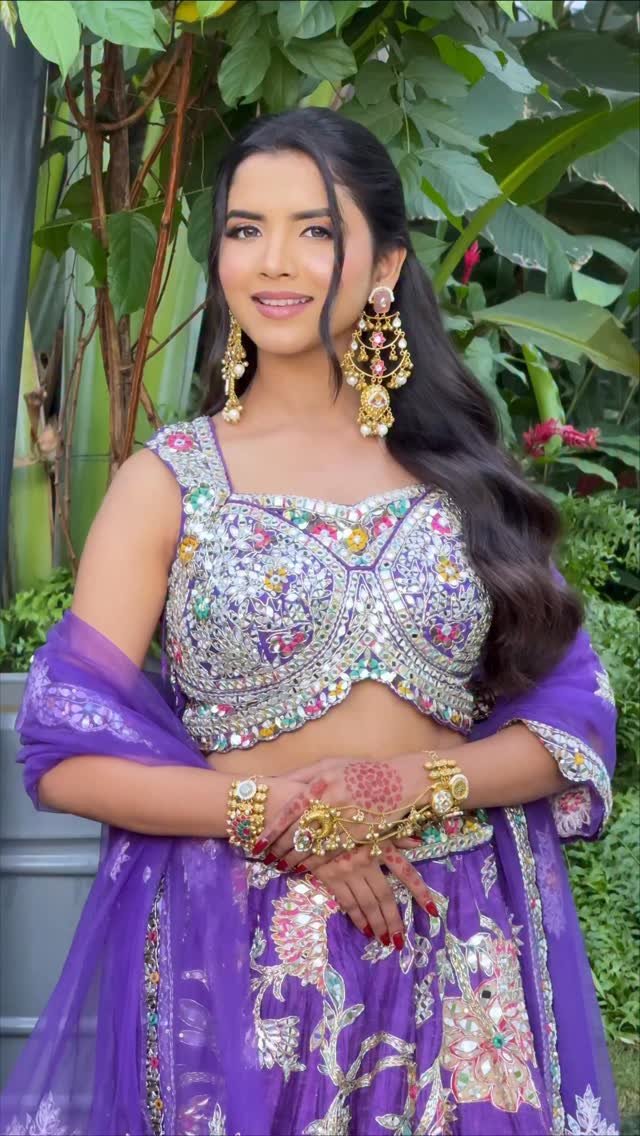
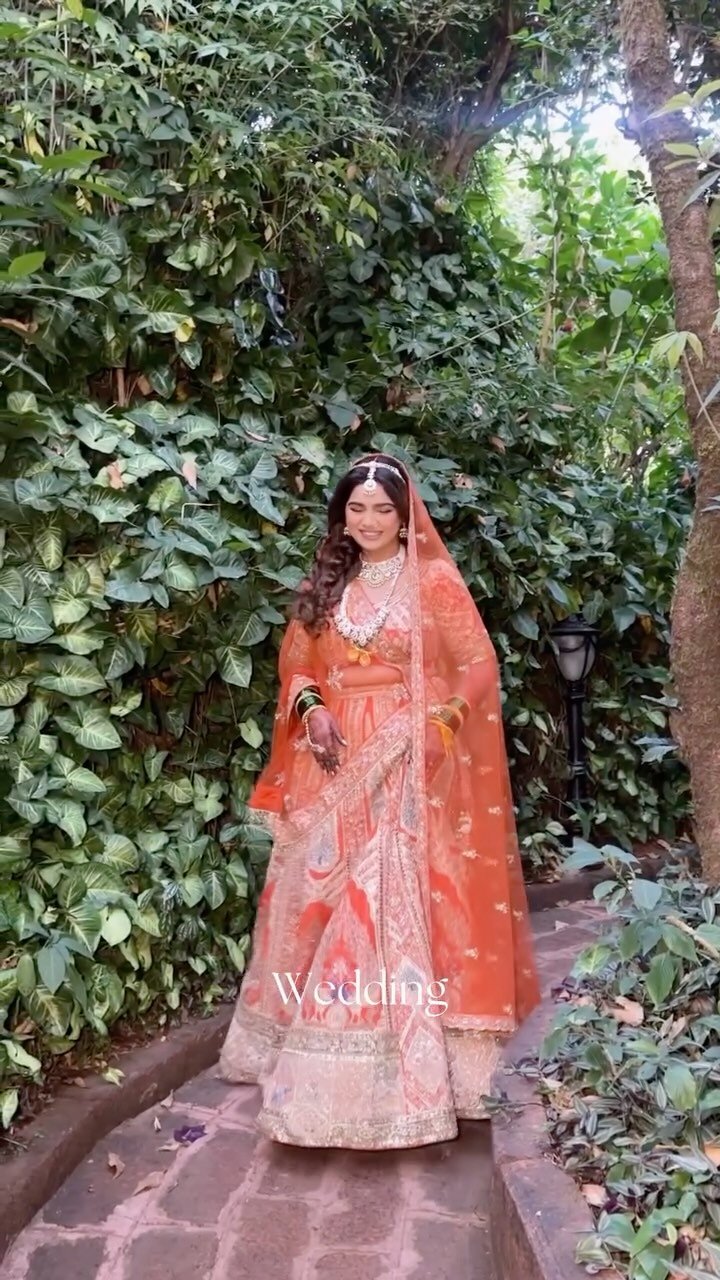
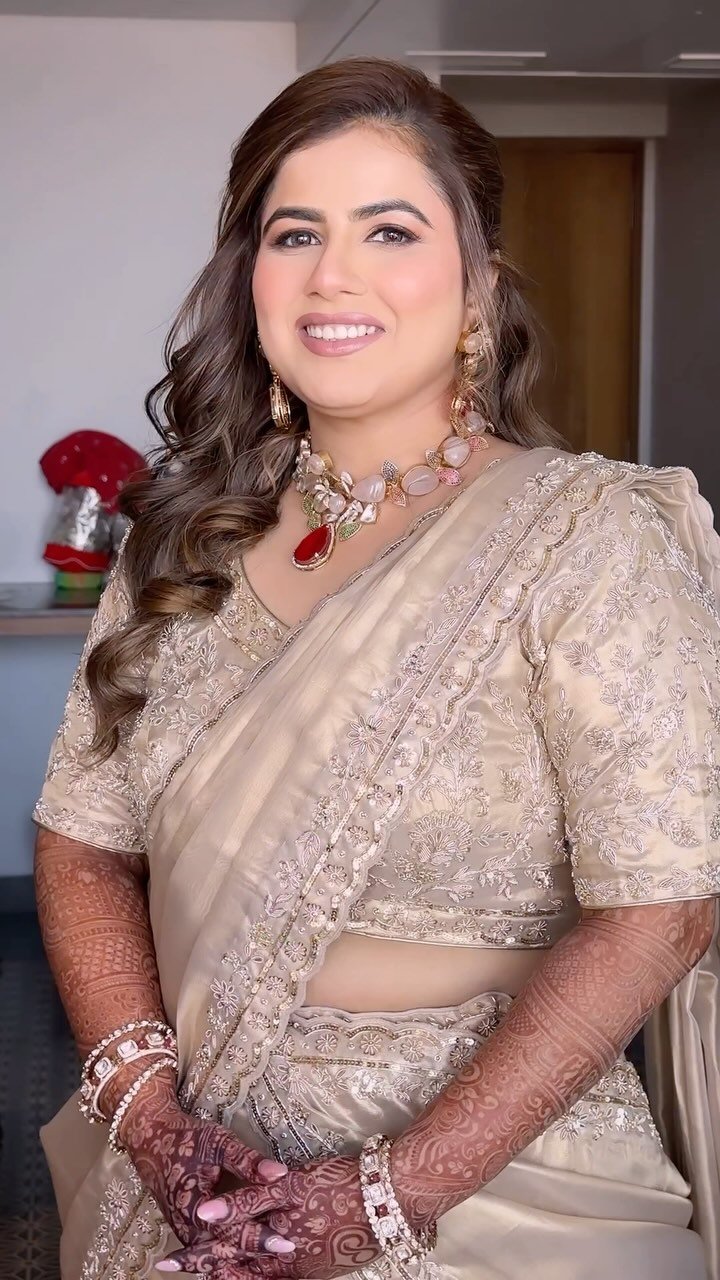
Portfolio photographs of Tejaswini’s own brides. None were taken at Umaid Bhawan Palace.